One of the most innovative components of the Powder2Power project has reached a major milestone.
Over the past two years, project partners have successfully developed and validated an electric particle heating technology designed to complement concentrated solar power and increase the flexibility of high-temperature thermal energy systems.
By combining solar energy with renewable electricity, this technology will allow future solar thermal plants to maintain stable operating conditions, make use of surplus electricity from the grid, and deliver both dispatchable power and industrial heat. In this way, Powder2Power is addressing one of the key challenges of the energy transition: how to provide reliable, high-temperature renewable energy when and where it is needed.
A hybrid approach to High-Temperature (HT) energy storage
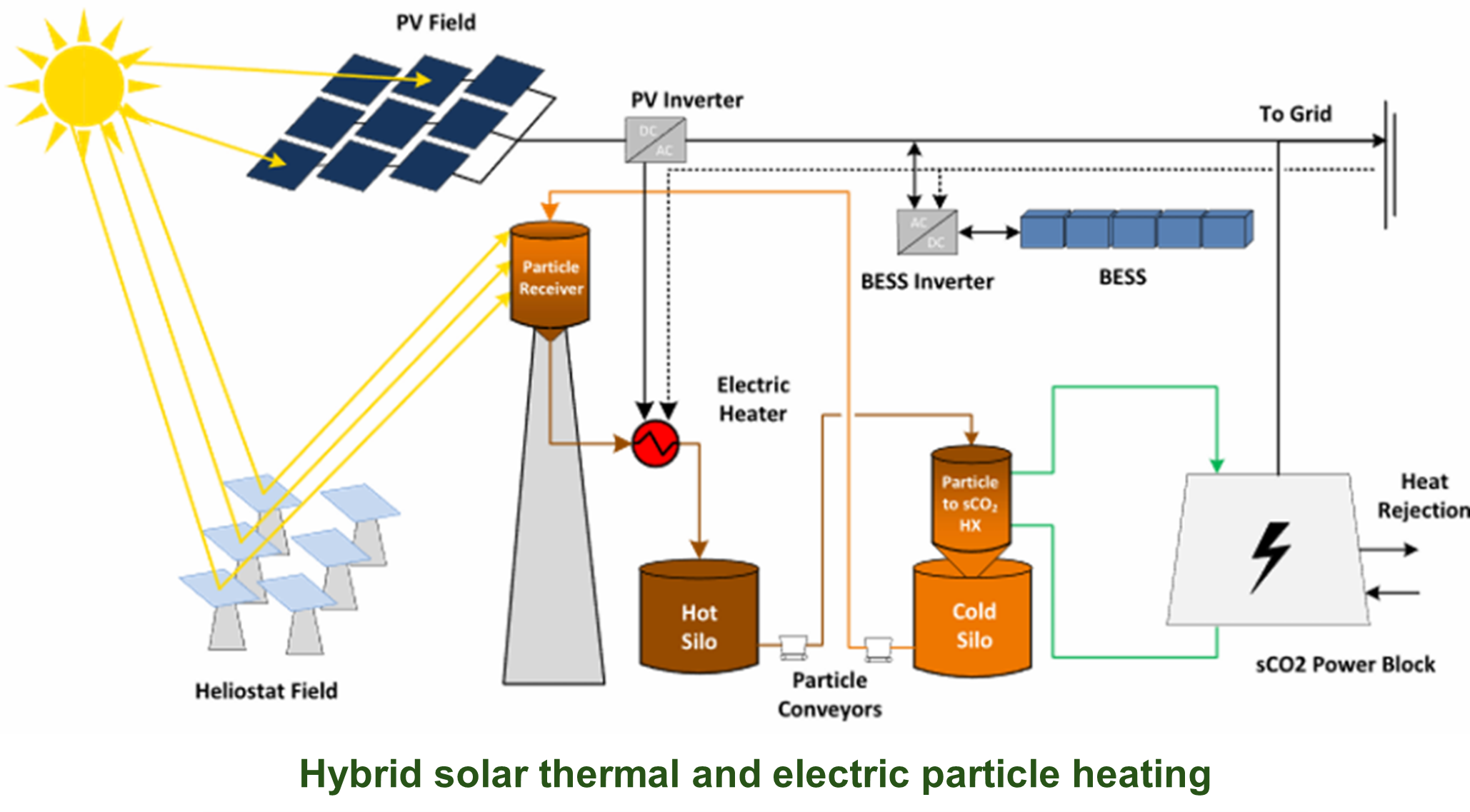
At the heart of Powder2Power is a novel concentrated solar power (CSP) concept that uses olivine particles as both heat transfer and thermal storage medium.
Heated by the sun to temperatures of up to 750°C, these particles can store large amounts of energy and later release it to generate electricity or supply industrial processes.
The electric heating technology adds a new dimension to this concept. Instead of relying solely on solar radiation, the system can also use renewable electricity to raise the particle temperature when additional energy is required. This hybrid approach increases operational flexibility and strengthens the connection between solar thermal technologies and the broader renewable electricity system.
For industrial users, this means a more robust and controllable source of carbon-free heat. For electricity systems, it offers new opportunities to integrate variable renewable energy and enhance long-duration thermal storage.
From laboratory validation to pilot integration
The development of the electric heating technology has been led by KTH Royal Institute of Technology and SEICO Group, with contributions from several Powder2Power partners. 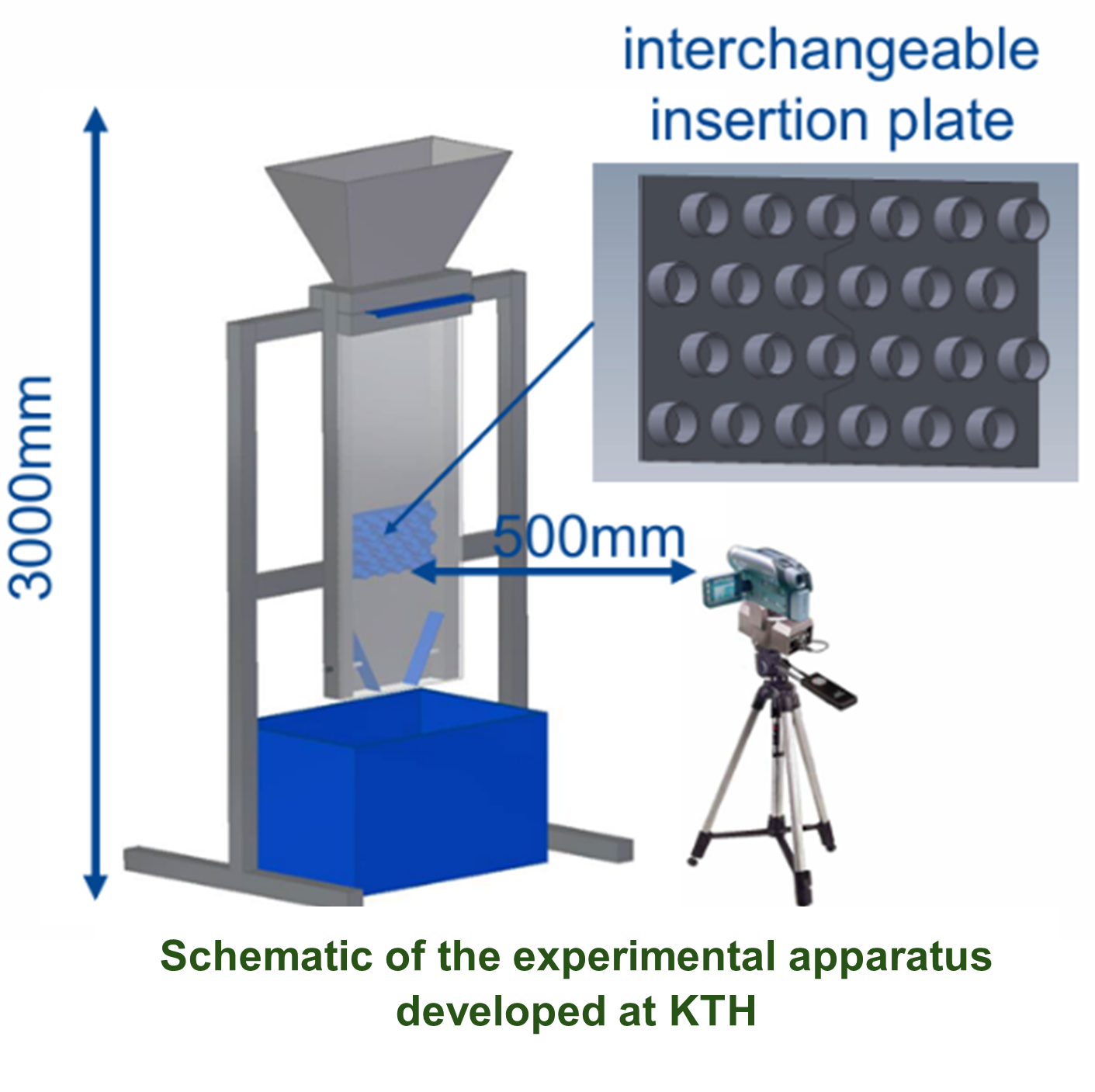
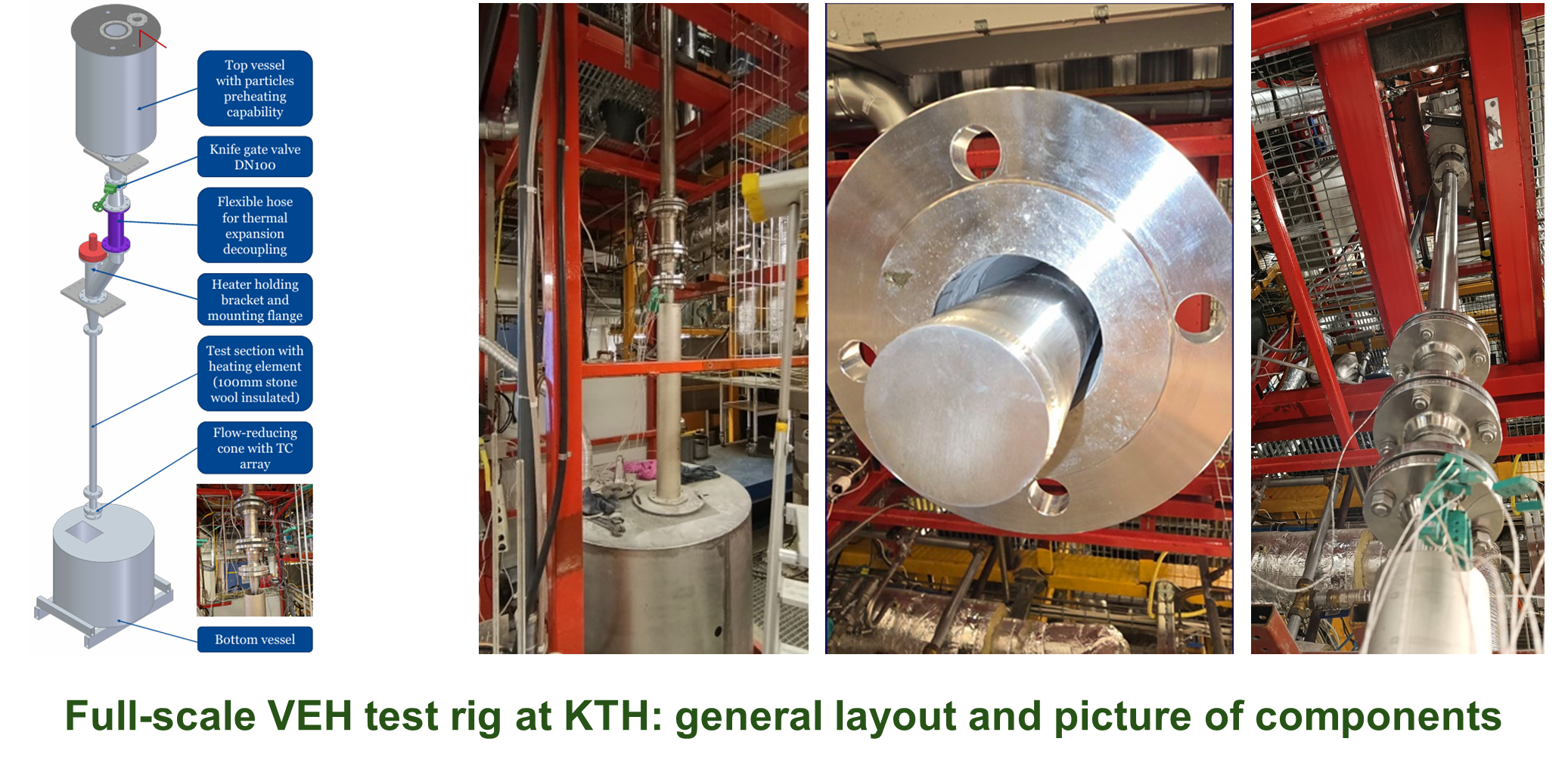
To validate the concept, KTH designed and built a dedicated experimental facility capable of reproducing the high-temperature conditions expected in the Powder2Power process. This test platform enabled researchers to study the interaction between flowing olivine particles and electrically heated surfaces, generating essential data on heat transfer, particle flow behaviour and temperature control.
A particularly promising concept investigated at KTH is the Vertical Electrical superHeater (VEH), a modular design in which particles flow through multiple heated columns. Each test column used a 3-metre heating element developed by SEICO with an active heated length of 1.95 metres, three independently controlled heating sections and a total power of 7.65 kW. Read more here.
Complementary experiments also investigated how particles flow around electrically heated tubes, helping researchers optimise particle distribution and identify operating conditions that avoid local overheating and ensure reliable performance at high temperatures. Read more here.
The experimental programme also provided hands-on research opportunities for bachelor students at KTH and an intern from IMT Mines Albi, illustrating how Powder2Power contributes not only to technological innovation but also to the training of future engineers and researchers.
The experimental campaign confirmed the technical feasibility of electrically heating flowing particles and provided the knowledge required to design an industrial-scale heating system tailored to the project demonstration plant.
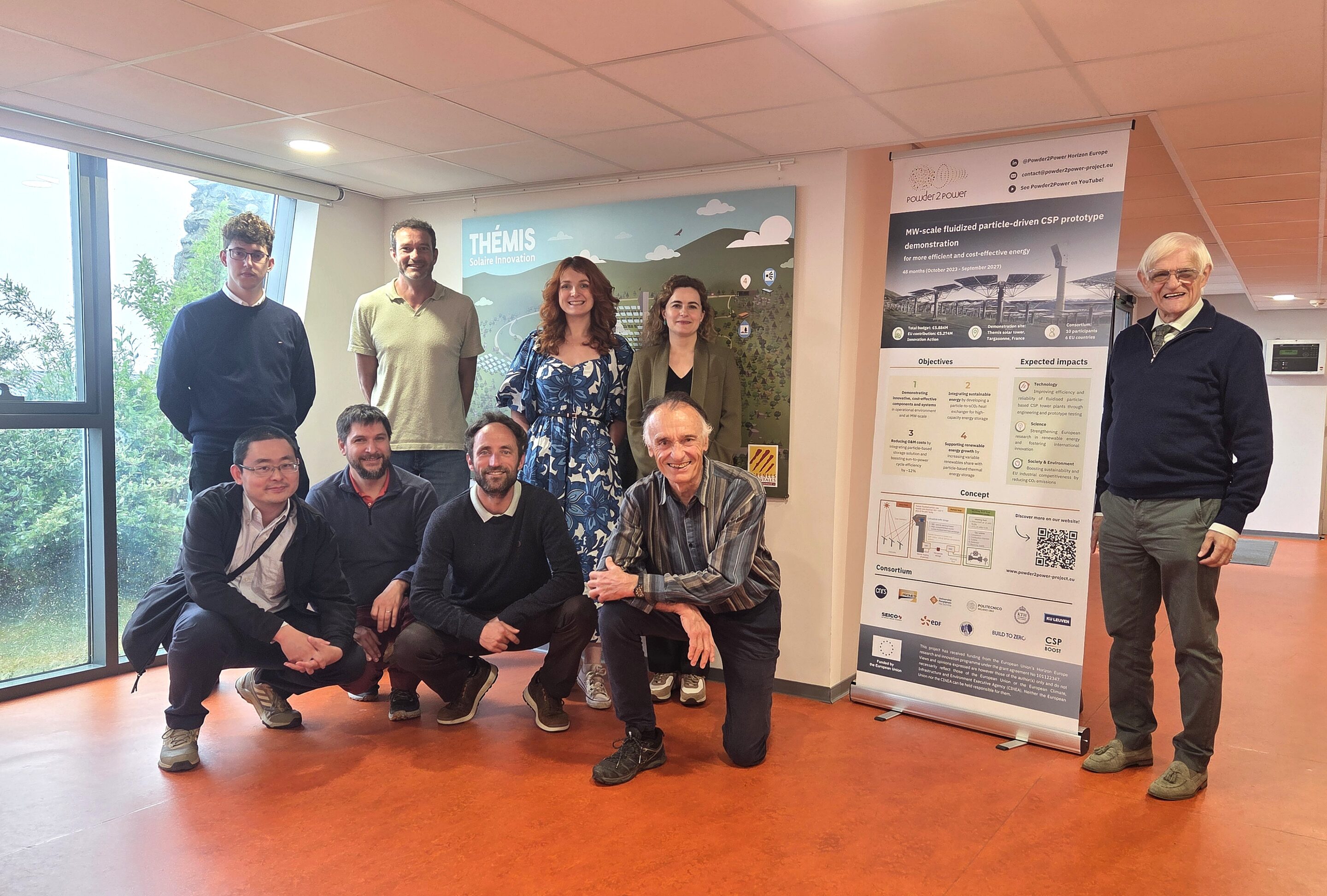
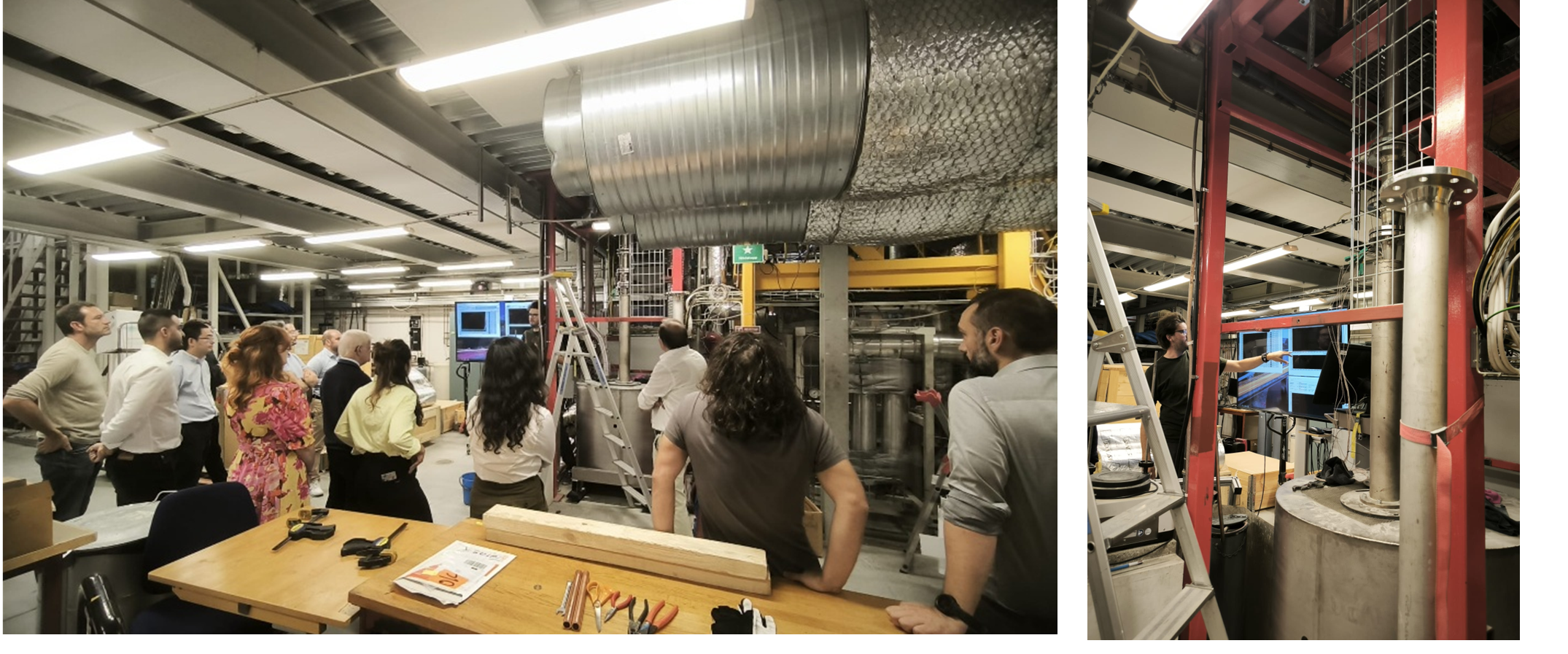
In September 2025, consortium partners gathered at the KTH Energy Lab in Stockholm to witness a live demonstration of the prototype.
Enabling the next generation of renewable Heat and Power
Although largely invisible to end users, technologies such as the electric particle heater are essential to the future of renewable energy systems. They provide the operational flexibility needed to connect solar thermal plants with modern electricity markets while expanding the potential of thermal storage for industrial decarbonisation.
By validating this innovative heating approach, Powder2Power is demonstrating how concentrated solar power can evolve into a more versatile and competitive technology, capable not only of generating renewable electricity, but also of delivering reliable high-temperature heat to industries seeking alternatives to fossil fuels.
The flexibility provided by this hybrid heating approach is also a central feature of Powder2Power commercial-scale studies, where early techno-economic assessments indicate strong potential for competitive renewable electricity and high-temperature industrial heat. Do not miss our latest article on how Powder2Power is designing the future of commercial-scale particle-based CSP systems.
Related resources:
- Experimental Investigation of Vertical Electrical superHeater Design for Olivine Particles in CSP
- Experimental Investigation and Optimisation of Flow Dynamics of Gravity Moving Bed Electric Heater for Olivine Particles in CSP
- KTH and IMT Mines Albi students collaborate on particle heat exchangers rig development and testing